
- Indiana
(219)365-7055 - Illinois
(708)841-0637


blog
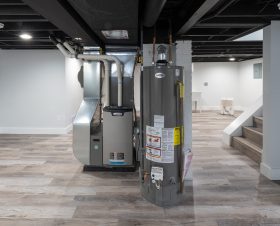
What Happens During a Professional Furnace Tune-Up?
Scheduling a furnace tune-up is one of the smartest things you can do before heating season hits. But if you’ve never had one done before, it’s fair to wonder what the technician is actually doing during that visit. As a homeowner, it’s important that you understand important aspects of furnace maintenance, such as:
- Component inspection and cleaning: The technician examines and cleans the burners, heat exchanger, blower motor, and more
- Safety checks: The technician tests for carbon monoxide leaks and checks the flue and venting system
- System performance testing: The thermostat, airflow, and system controls are tested to confirm everything is working as it should
- Identifying worn or failing parts: If something looks off, the technician will flag it and walk you through your options
Each one of these tune-up steps is directly connected with the other. If you have any further questions or are ready to get started, our team at Naughton Mechanical is ready to take your call.
Which Furnace Components Will the Technician Inspect and Clean?
The inspection starts with the parts that take on the most wear. The technician will look at and clean:
- Burners: Dirty burners can cause uneven heating and incomplete combustion. Cleaning them helps the furnace burn fuel more efficiently.
- Heat exchanger: This is one of the most important components in your furnace. A cracked heat exchanger can allow carbon monoxide to enter your living space, so the technician will inspect it carefully for damage.
- Blower motor and belt: The blower pushes heated air through your ductwork. The technician will check for wear and lubricate any moving parts as needed.
- Air filter: A clogged filter makes your furnace work harder than it should. The technician will check the filter and recommend a replacement if necessary.
- Flame sensor and ignition system: A dirty or failing flame sensor can cause your furnace to shut off unexpectedly. The technician will clean and test it.
Cleaning these components removes built-up dust, dirt, and debris that quietly chip away at your system’s performance over time.
What Safety Checks Will the Technician Perform?
Safety is at the core of every furnace tune-up. The technician will:
- Test for carbon monoxide leaks: Carbon monoxide is odorless and colorless, making it impossible to detect without proper equipment. The technician will test for leaks, particularly around the heat exchanger.
- Inspect the flue and venting system: Blocked or damaged flue pipes can prevent combustion gases from exiting the home properly. The technician checks that everything is clear and properly connected.
- Check gas pressure and connections: Incorrect gas pressure or loose connections are fire and safety hazards. The technician measures pressure levels and tightens any fittings that need attention.
- Inspect the combustion chamber: The technician looks for signs of corrosion, cracks, or buildup that could affect safe operation.
These checks aren’t just procedural. They separate a quick inspection from a tune-up that actually protects your home and your family. If anything comes up, your trusted technician will let you know and help you determine the best furnace repair strategy.
How Will the Technician Test the Thermostat, Airflow, and System Controls?
Once the cleaning and safety checks are done, the technician will run the system and evaluate its performance.
- Thermostat calibration: The technician confirms that the thermostat is reading temperatures accurately and communicating correctly with the furnace. Even a small calibration issue can cause the system to short cycle or run longer than needed.
- Airflow measurement: The technician checks that air is moving through the system at the right rate. Poor airflow can point to duct problems, a failing blower, or a filter issue.
- System controls and sequencer: Every component in your furnace has to start, run, and shut off in the right order. The technician cycles the system on and off to confirm the controls are working properly from start to finish.
This testing phase is where problems that aren’t visible to the eye tend to show up. A trained technician will be able to help you determine the best next steps.
What Happens if the Technician Finds Worn Parts or Performance Problems?
If the technician spots something during the inspection, you won’t be left guessing. A good technician will:
- Explain what was found in plain language, without pushing you toward an unnecessary repair
- Show you the worn or damaged part when possible so that you can see the issue firsthand
- Give you a repair recommendation with clear options, whether that’s a simple part replacement, a repair, or, in cases where the system is aging, a conversation about replacement
Some repairs are minor and can be handled during the same visit. Others may require ordering a part. In either case, you’ll know what’s going on with your system before the technician leaves your home.
Schedule Your Furnace Tune-Up with Naughton Mechanical
A furnace tune-up is not just a maintenance checkbox. It’s how you catch small problems before they become expensive breakdowns in the middle of a cold Indiana winter. At Naughton Mechanical, our technicians take the time to do the job right and explain everything along the way.
As a company that has served Northwest Indiana and the south suburbs of Chicago since 1989, Naughton Mechanical is proud to be a Trane Comfort Specialist with a long track record of honest, reliable service. Contact us today to schedule your tune-up.
Why Choose
Naughton
Mechanical
- Free Estimates*
- Award-Winning Service
- Satisfaction Guarantee
- Financing Available
We Are Ready to Help You
We constantly take classes and attend seminars so we stay up to date on all the advances in technology and efficiency, and therefore keep our customers satisfied.
Please contact us anytime! We look forward to hearing from you.
Indiana
(219)365-7055
Illinois
(708)841-0637
Get in Touch
Please fill out the form below or for an immediate response give us a call.


The information on this website is for informational purposes only; it is deemed accurate but not guaranteed. It does not constitute professional advice. Testimonials are not a guarantee, warranty or prediction of what your experience with us will be. By providing contact information, users acknowledge and give explicit consent to be contacted via the methods of communication provided, including SMS. Message and data rates may apply. Message frequency may vary. Reply STOP to opt out.
Nuvew | Copyright 2026. All Rights Reserved | Accessibility Notice | Privacy Policy